





ATTRACTION
Königsallee,
Düsseldorf


About
Königsallee got its royal name because a boy threw horse droppings at a king. In 1848, during an attempted revolution, Prussia’s King Frederick William IV rode down the street, then called Kastanienstrasse, or Chestnut Street. The revolution failed, and an embarrassed city renamed the street Königsallee, the King’s Boulevard, to make amends.
The boulevard itself began in 1801, when Napoleon decreed that Düsseldorf must not rebuild its fortifications. The remains were torn down and a street took their place, beside a canal fed by the river Düssel. That is why the Kö, as it is also called, is reportedly Germany’s widest street. Today it is lined with luxury stores.
VoiceMap’s Düsseldorf tour sets off down the Kö from Heinrich-Heine-Allee, tells the horse-dropping story from the bridge, and points out Green Mathilda, the last of eight cast-iron clocks.

Tours featuring Königsallee (2)


Top Sights
Neighbourhoods
Medieval History
Meander down medieval and haute couture streets, and see the world‘s longest bar

 Walking Tour
|
 75 mins

Flanieren Sie die Kö entlang und tauchen Sie ein in die Altstadt von Düsseldorf
Walking Tour
|
75 mins
Download the app for free
VoiceMap
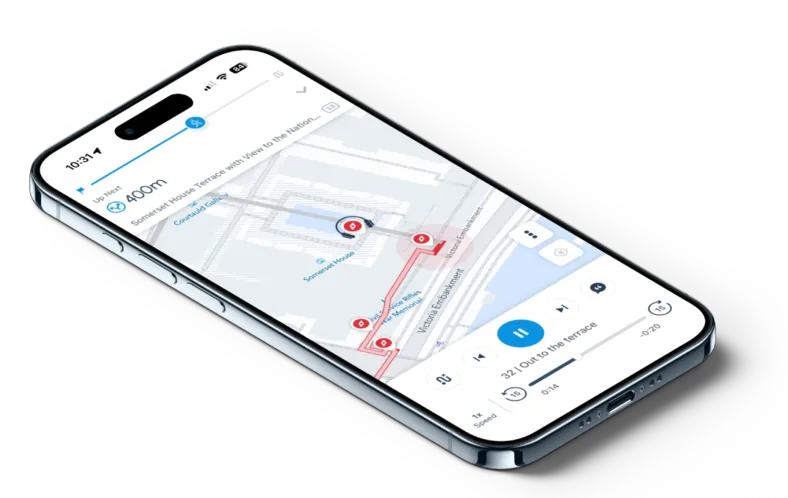
- Download tours to use them offline
- Listen hands-free with GPS playback
- Get turn-by-turn directions


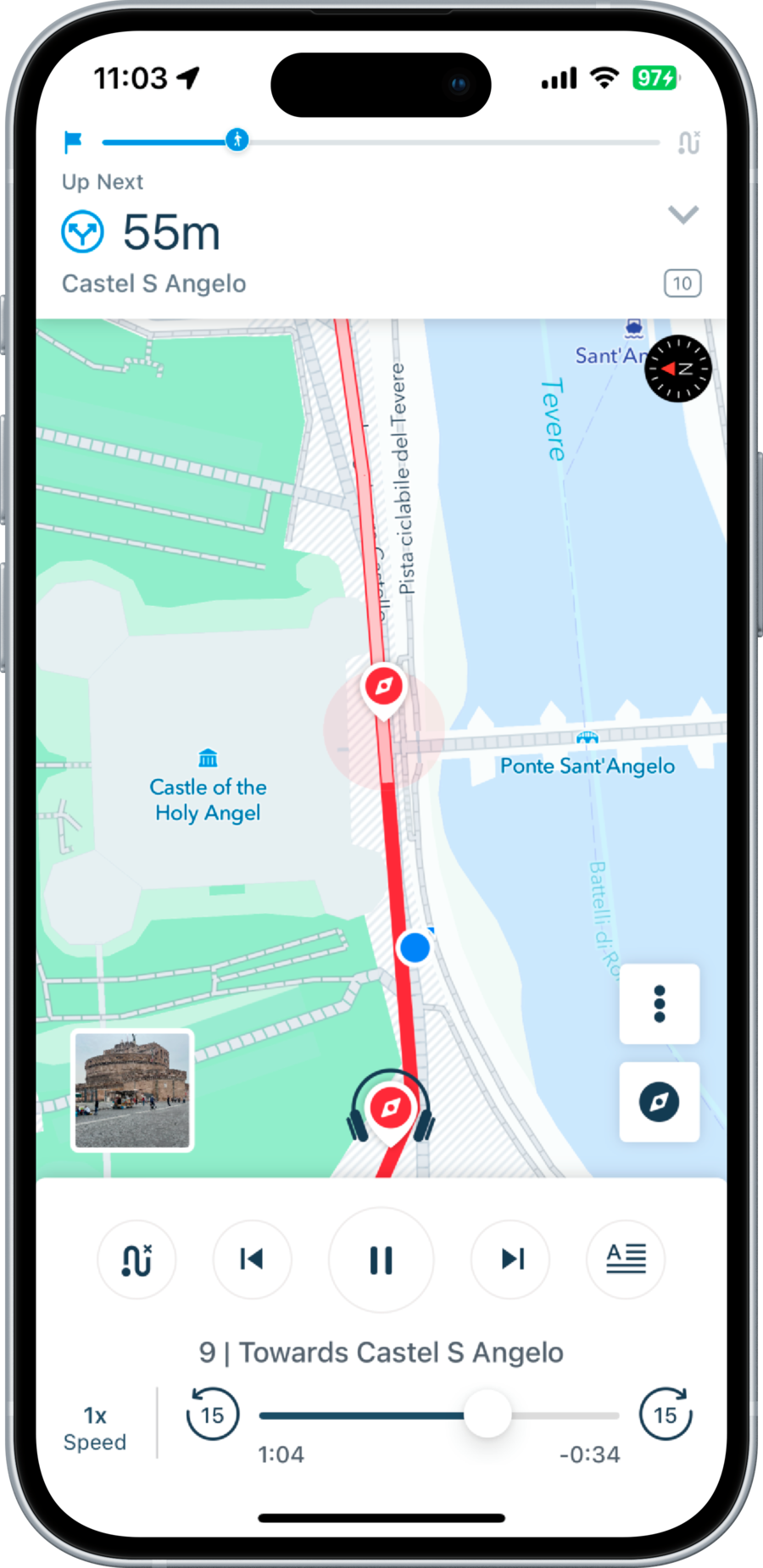
Scan to get app
Download the app for free
VoiceMap


 App of the Day

 Editor’s Choice






Itchy feet? Us too
VoiceMap’s newsletter scratches that itch and stimulates your senses,
every fortnight. Curiosity is the only currency you need to subscribe.

Exploring is easier with a VoiceMap account
To purchase tours, add them to a wishlist, or access them with the VoiceMap app, please sign in or create a VoiceMap account


Exploring is easier with a VoiceMap account
To purchase tours, add them to a wishlist, or access them with the VoiceMap app, please sign in or create a VoiceMap account