







ATTRACTION
St Augustine's Abbey,
Canterbury

About
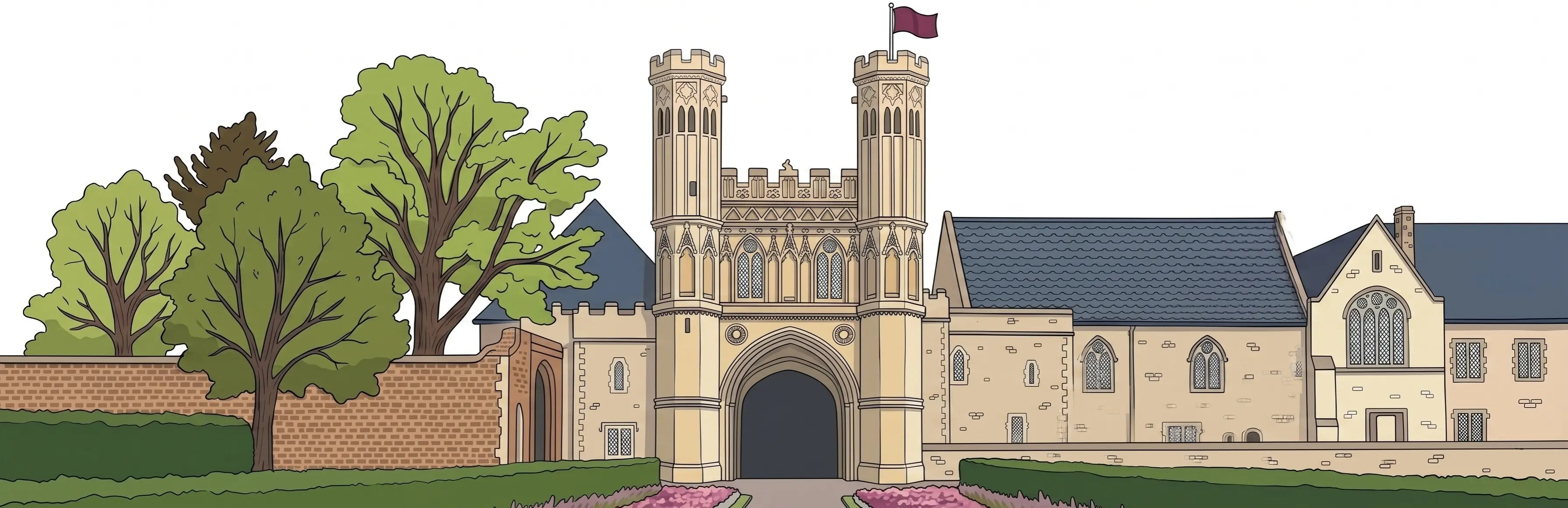
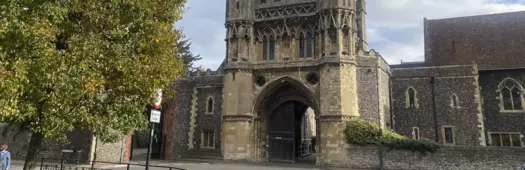
St Augustine's Abbey was founded in 597 AD, the year Augustine himself arrived in Canterbury with 40 Benedictine monks sent by Pope Gregory the Great to convert the English. Augustine is buried here, a matter of fact that gives the ruins a genuine weight: this crumbling honey-coloured stonework marks the resting place of the man who changed the country's religious course entirely.
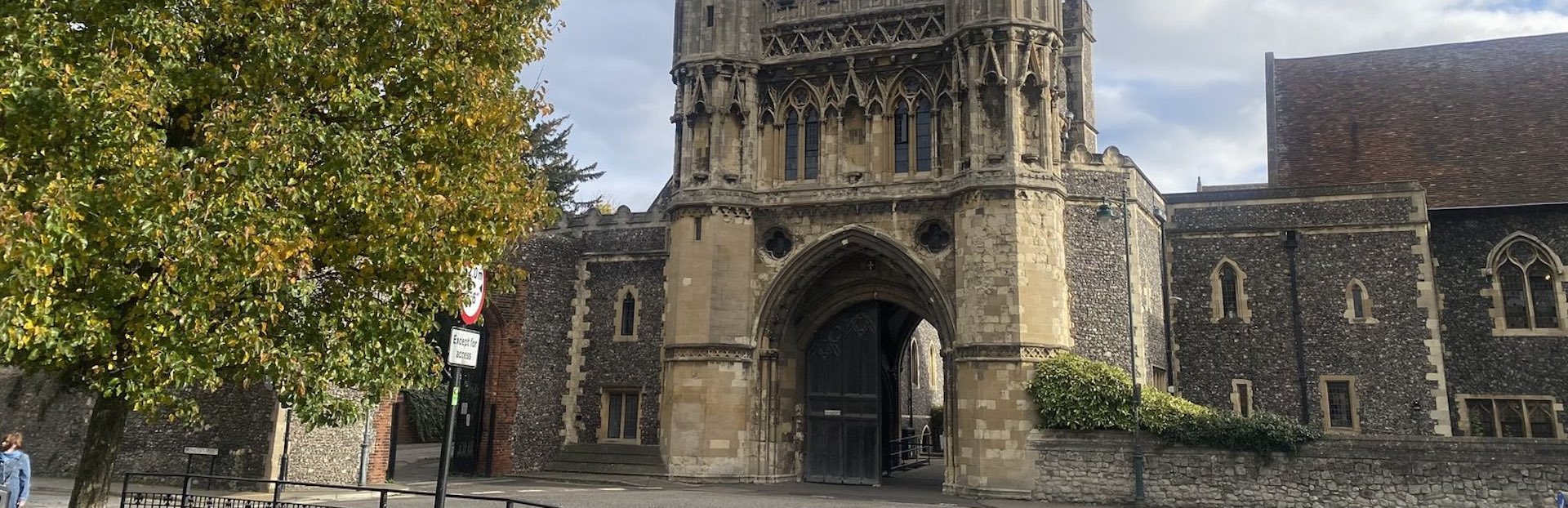
The Normans demolished the original Saxon abbey after 1066 and replaced it with a church the size of the Cathedral. Henry VIII finished the job in 1538, stripping the stone and shipping it to Deal and Walmer for his coastal fortresses, some even reaching Calais. The magnificent Fyndon Gate survived only because Henry converted it into a Tudor palace for his honeymoon with Anne of Cleves, a plan that, like the marriage, didn't quite work out.
VoiceMap's Canterbury tours trace the abbey's extraordinary arc from burial ground of the Kings of Kent to royal pleasure palace, cockerel-fighting venue and brewery, connecting it to the wider story of how English Christianity began and what Henry's dissolution really cost.
The Normans demolished the original Saxon abbey after 1066 and replaced it with a church the size of the Cathedral. Henry VIII finished the job in 1538, stripping the stone and shipping it to Deal and Walmer for his coastal fortresses, some even reaching Calais. The magnificent Fyndon Gate survived only because Henry converted it into a Tudor palace for his honeymoon with Anne of Cleves, a plan that, like the marriage, didn't quite work out.
VoiceMap's Canterbury tours trace the abbey's extraordinary arc from burial ground of the Kings of Kent to royal pleasure palace, cockerel-fighting venue and brewery, connecting it to the wider story of how English Christianity began and what Henry's dissolution really cost.

Tours featuring St Augustine's Abbey (1)

Medieval History
Religious Sites
Architecture
Follow Britain’s last Roman legionaries and uncover centuries-old royal secrets

 Walking Tour
|
 90 mins
Download the app for free
VoiceMap
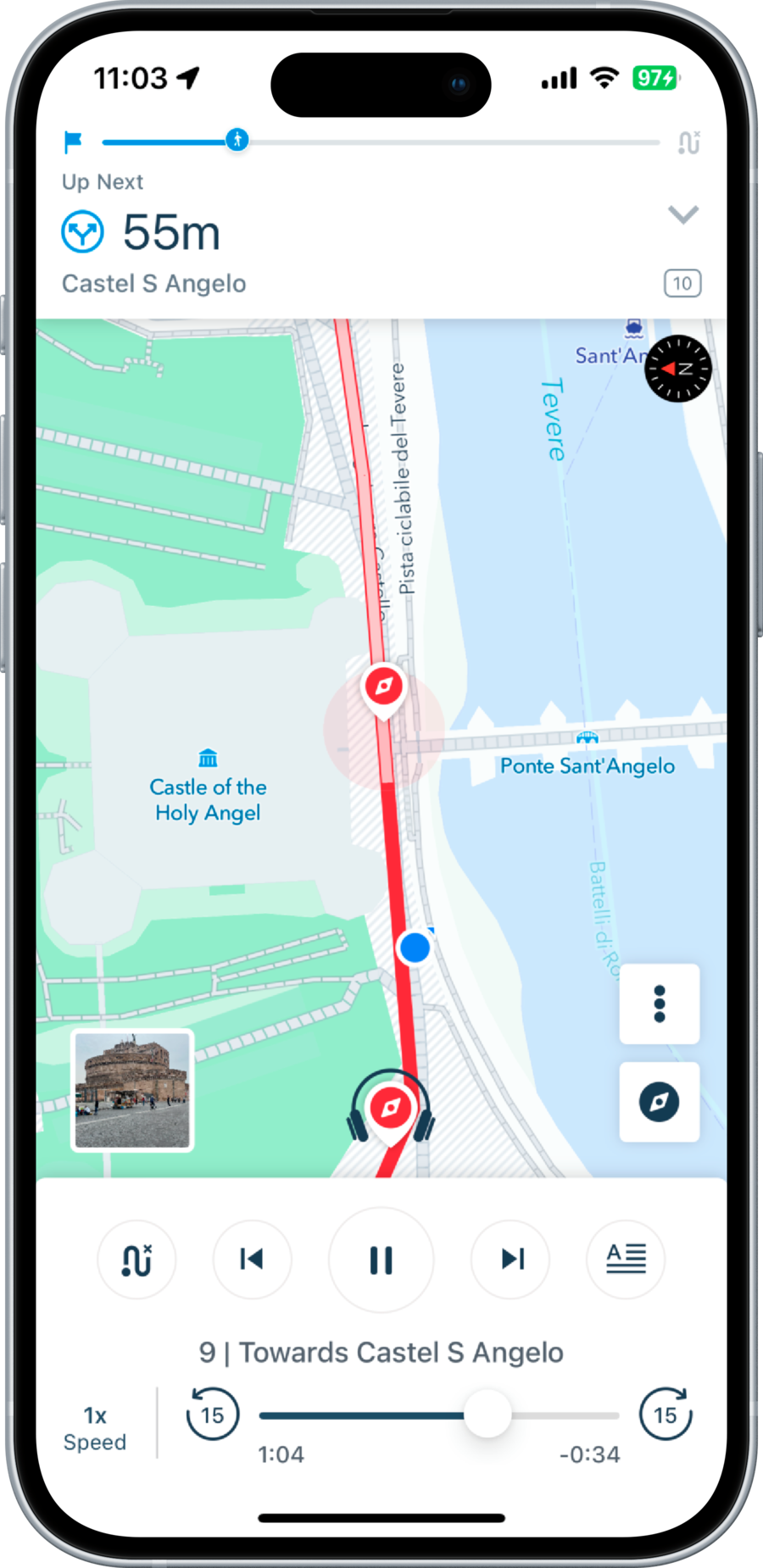
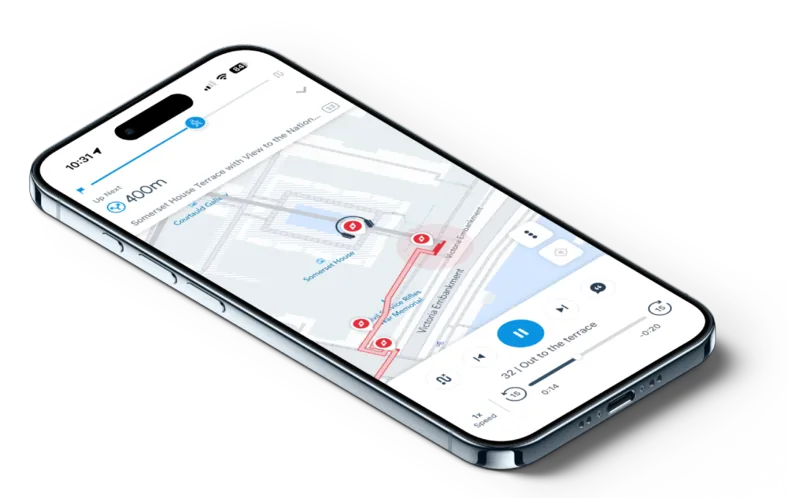
- Download tours to use them offline
- Listen hands-free with GPS playback
- Get turn-by-turn directions


Scan to get app
Download the app for free
VoiceMap




 App of the Day

 Editor’s Choice






Itchy feet? Us too
VoiceMap’s newsletter scratches that itch and stimulates your senses,
every fortnight. Curiosity is the only currency you need to subscribe.

Exploring is easier with a VoiceMap account
To purchase tours, add them to a wishlist, or access them with the VoiceMap app, please sign in or create a VoiceMap account


Exploring is easier with a VoiceMap account
To purchase tours, add them to a wishlist, or access them with the VoiceMap app, please sign in or create a VoiceMap account