







ATTRACTION
Kurfürstendamm,
Berlin

About
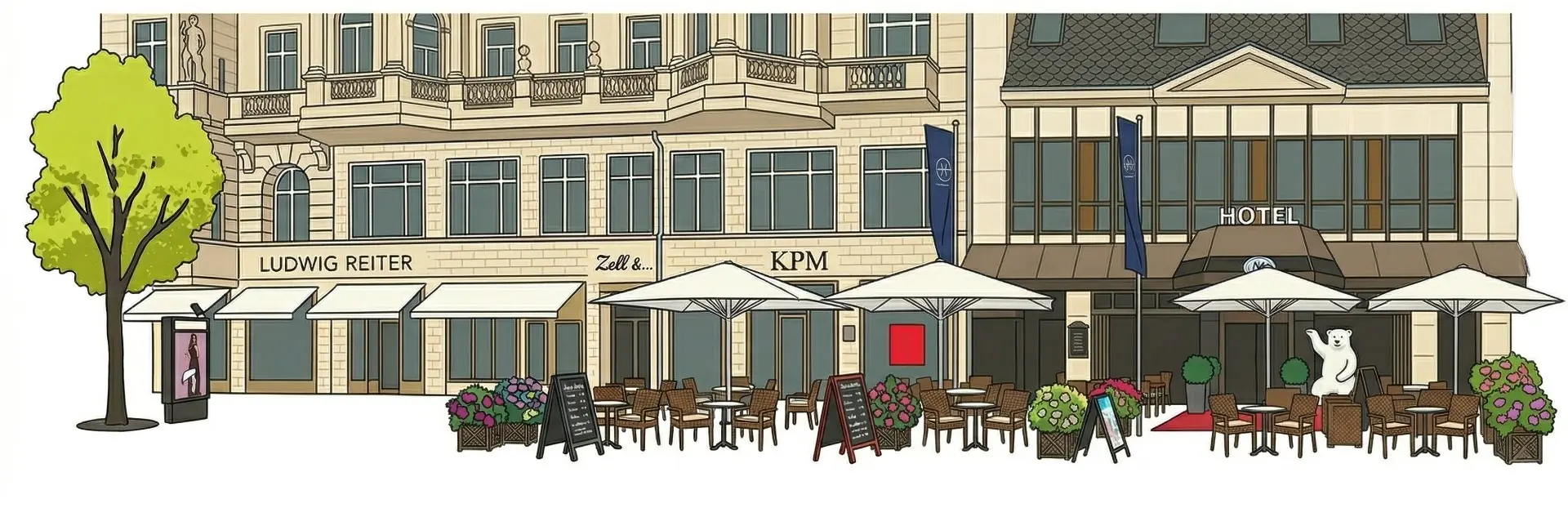
Kurfürstendamm began as a dirt track connecting a royal castle to a hunting lodge. In the 1880s, Bismarck decided that wasn't good enough and ordered it rebuilt as Berlin's answer to the Champs-Élysées. It was 53 metres wide and lined with five-storey buildings crowned by fanciful domes. The result was the preferred address of Prussia's upper middle class.
Then came the 20th century. Nazi SA troops rioted along its length in 1931, attacking people they thought looked Jewish. In 1968, student leader Rudi Dutschke was shot in the head just outside his office on the boulevard. And on the night the Wall fell in 1989, thousands of East Berliners poured in, many heading straight here to stare at the glittering shop windows of Western capitalism.
VoiceMap's self-guided audio tours trace these violent and euphoric turning points along Ku'damm, connecting the boulevard's Bismarckian ambitions to the Cold War years when this street, quite literally, was West Berlin.
Then came the 20th century. Nazi SA troops rioted along its length in 1931, attacking people they thought looked Jewish. In 1968, student leader Rudi Dutschke was shot in the head just outside his office on the boulevard. And on the night the Wall fell in 1989, thousands of East Berliners poured in, many heading straight here to stare at the glittering shop windows of Western capitalism.
VoiceMap's self-guided audio tours trace these violent and euphoric turning points along Ku'damm, connecting the boulevard's Bismarckian ambitions to the Cold War years when this street, quite literally, was West Berlin.

Tours featuring Kurfürstendamm (3)

Film And TV
Architecture
Top Sights
Explore the capital's grandest boulevard in the company of author Rory Maclean

 Walking Tour
|
 30 mins

Neighbourhoods
Pop Culture
Modern History
See 100 years of dazzling change come alive in Charlottenburg’s storied streets
 Walking Tour
|
60 mins

Folgt den Spuren des sich seit 100 Jahren immer wieder wandelnden Westberlins
Walking Tour
|
60 mins
Download the app for free
VoiceMap
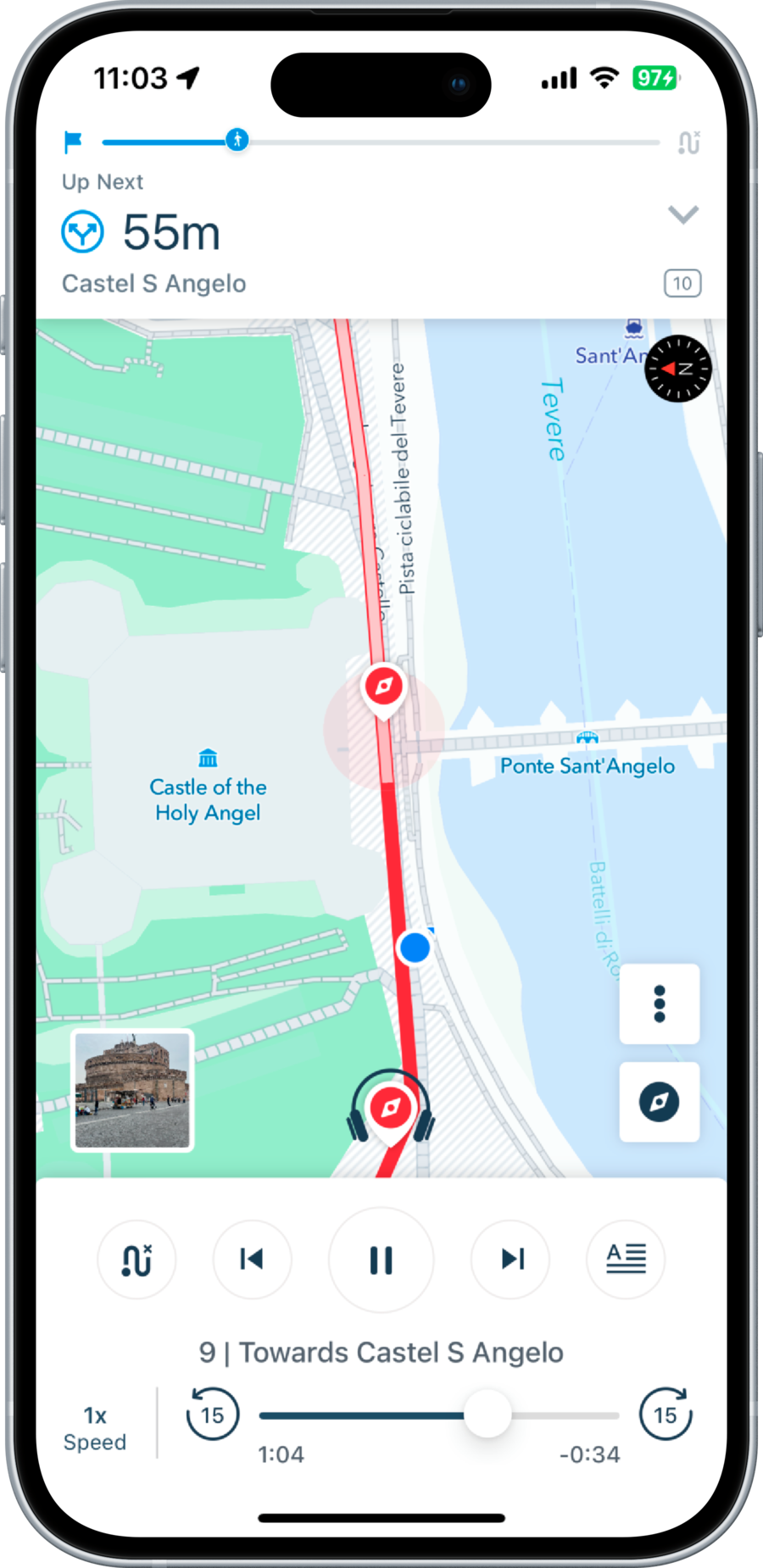
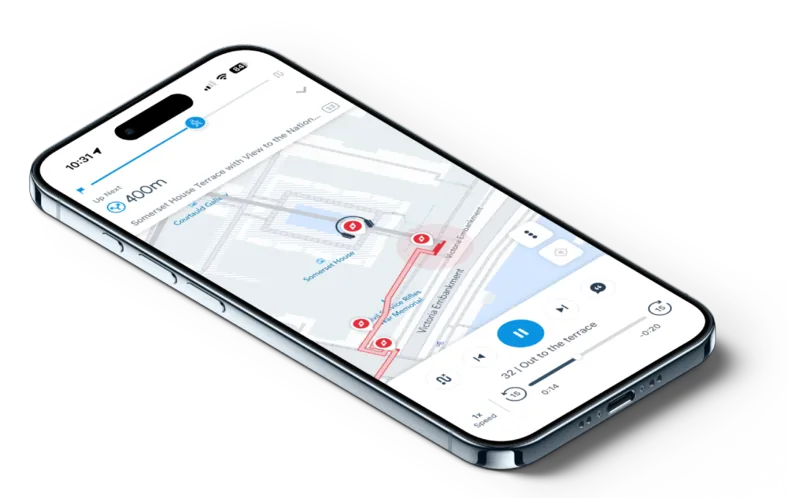
- Download tours to use them offline
- Listen hands-free with GPS playback
- Get turn-by-turn directions


Scan to get app
Download the app for free
VoiceMap




 App of the Day

 Editor’s Choice






Itchy feet? Us too
VoiceMap’s newsletter scratches that itch and stimulates your senses,
every fortnight. Curiosity is the only currency you need to subscribe.

Exploring is easier with a VoiceMap account
To purchase tours, add them to a wishlist, or access them with the VoiceMap app, please sign in or create a VoiceMap account


Exploring is easier with a VoiceMap account
To purchase tours, add them to a wishlist, or access them with the VoiceMap app, please sign in or create a VoiceMap account